Abstract
This paper delves into the intricate connection between emotions, epigenetics, and cellular energy production within the framework of spiritual epigenetics and cancer research. It explores the role of key biochemical pathways, including glycolysis, the citric acid cycle, and oxidative phosphorylation, in generating cellular energy. Moreover, it investigates how emotions can modulate these pathways, leading to spiritual epigenetic modifications and potential spiritual transformations.
Please read and preview the sections: The Bridge Between Emotions, Cancer and Cellular Transformation, and Energy and ANS Epigenetic Modifications. Hence, spiritual epigenetics regulates gene expression without altering DNA sequences and acts as a bridge between emotions and cellular transformation. Please note that DNA methylation and histone modifications are key epigenetic mechanisms. Positive emotions such as joy, love, and peace activate the parasympathetic branch of the ANS and can promote DNA methylation patterns associated with reduced stress-related gene expression. Conversely, negative emotions may alter histone acetylation and methylation patterns, thereby affecting gene accessibility.
Keywords: spiritual epigenetics, emotions, energy production, epigenetic control, biochemical pathways, mitochondria, glycolysis, citric acid cycle, oxidative phosphorylation, epigenetic modifications.
Introduction
The intricate orchestration of emotions involves cells and brain structures working in harmony. This paper delves into the profound connection between emotional processing, cancer, and cellular components, shedding light on the roles of neurons, neurotransmitters, glial cells, and key brain regions such as the amygdala, prefrontal cortex, and hypothalamus. Understanding this complex interplay, along with BDNF, the MTHFR C677T variant, Coenzyme Q10 (CoQ10), and GMP-AMP synthase (cGAS), offers insights into how spiritual experiences may influence one’s emotional, mental, and physical well-being.
Cancer is a complex and multifaceted disease that involves the uncontrolled growth and division of abnormal cells. Aberrant epigenetic regulation contributes to the development of diseases, particularly cancer. These epigenetic changes can be passed down during cell division and sometimes exhibit stability comparable to that of mutations. The underlying causes of cancer are diverse, including genetic mutations, epigenetic changes, and disruptions in cellular signaling pathways. Notably, unlike genetic mutations, epigenetic modifications can be reversed, offering the possibility of therapeutic manipulation. Treating cancer usually involves a combination of surgery, chemotherapy, radiation therapy, targeted therapies, immunotherapies, and other approaches.
The interaction between emotions and cellular processes is a fascinating realm that bridges the spiritual and scientific dimensions of human experience. Spiritual epigenetics, a concept that integrates both realms, explores how emotions can influence cellular energy production and lead to epigenetic modifications. This paper also investigates the interplay among emotions, biochemical pathways, and epigenetic changes, shedding light on potential mechanisms by which spiritual experiences affect our genetic expression.
Epigenetic Modifiers
Epigenetic modifiers, also known as epigenetic modulators or regulators, are molecules that influence epigenetic modifications in cells. Biochemical pathways and cellular energy production are intricate process that fuels all life functions. Key biochemical pathways, such as glycolysis, the citric acid cycle, and oxidative phosphorylation, orchestrate energy generation within the mitochondria. Glycolysis, the initial step, breaks down glucose into pyruvate, releasing energy. Pyruvate then enters the citric acid cycle, where it is further oxidized to produce energy-rich molecules. The final stage, oxidative phosphorylation, uses electron transport chains to produce adenosine triphosphate (ATP), the cellular energy currency.
Emotions, as modulators of biochemical pathways, influence cellular processes by activating the autonomic nervous system (ANS), which governs bodily functions. Positive emotions, such as joy and gratitude, stimulate the parasympathetic branch of the ANS, promoting rest and repair mechanisms. Negative emotions, such as fear and stress, activate the sympathetic ANS, leading to the fight or flight response. These emotional triggers impact energy production by altering the release of hormones and neurotransmitters, subsequently affecting glycolysis, the citric acid cycle, and oxidative phosphorylation. The connection between cancer and emotions can be nurtured through epigenetic means that nurture their [Godly] nature.
Epigenetic Modifications
The autonomic nervous system (ANS) is responsible for regulating involuntary bodily functions, such as heart rate, digestion, and respiratory rate. The ANS consists of two main branches: the sympathetic nervous system (SNS) and the parasympathetic nervous system (PNS). These branches work in opposition to each other to maintain balance and regulate various physiological processes. The ANS controls many different types of cells in various tissues and organs throughout the body. Some examples of cells and tissues influenced by the autonomic nervous system include:
- Cardiac Muscle Cells: The ANS regulates the rate and force of contractions of the heart muscle (cardiac muscle cells) through its effect on the sinoatrial (SA) node and the atrioventricular (AV) node.
- Smooth Muscle Cells: Smooth muscle cells in the walls of blood vessels, digestive organs, respiratory passages, and other structures are controlled by the ANS. The SNS can cause vasoconstriction (narrowing of blood vessels), while the PNS can cause vasodilation (widening of blood vessels).
- Glandular Cells: The ANS controls the secretion of various glands, including salivary glands, sweat glands, and digestive glands. For example, the SNS can stimulate sweat production, while the PNS can stimulate salivary gland secretion.
- Respiratory Muscle Cells: The ANS influences the contraction and relaxation of the smooth muscles in the bronchi and bronchioles, affecting airway diameter and airflow.
- Digestive Tract Cells: The ANS regulates the motility and secretions of the digestive tract, including the stomach, intestines, and pancreas. The SNS can decrease digestive activity (fight or flight response), while the PNS can increase digestive activity (rest and digest response).
- Endocrine Cells: The ANS can indirectly influence endocrine functions by regulating hormone secretion from glands such as the adrenal medulla (epinephrine and norepinephrine release) and the pancreas (insulin and glucagon release).
- Urinary System: The ANS controls the contraction of smooth muscle in the walls of the urinary bladder and influences the relaxation of the internal urethral sphincter.
- Eye: The ANS controls the size of the pupil (pupillary constriction and dilation) and the shape of the lens (accommodation for near and far vision).
These are just a few examples of the cells and tissues regulated by the autonomic nervous system. The ANS plays a critical role in maintaining homeostasis and coordinating various physiological responses to internal and external stimuli. The autonomic nervous system can also impact epigenetic processes within these cells, potentially influencing gene expression and cellular function. Emerging research suggests that stress and environmental factors mediated by the ANS may lead to epigenetic modifications that affect health outcomes and susceptibility to various diseases in these tissues and organs.
Cells and Structures Involved in Emotional Processing
Emotional processing primarily involves brain structures such as the amygdala, hippocampus, prefrontal cortex, and insula, which play crucial roles in perceiving, interpreting, and regulating emotions. These regions communicate with one another and form intricate neural networks collectively known as the limbic system. Epigenetic mechanisms within these brain structures contribute to the formation and regulation of emotional responses, thereby influencing the expression of genes involved in mood, stress response, and emotion regulation. Additionally, peripheral cells, such as immune cells and endocrine cells, can also influence emotional states through bidirectional communication with the brain, and epigenetic modifications in these cells may further modulate emotional processing and well-being.
Neurons: are the “Messengers of Emotion Neurons” which are the foundation of emotional processing, transmitting electrical signals that carry information within the brain and throughout the body. These intricate cells receive, process, and transmit emotional stimuli, shaping our emotional experiences. As neurons fire, they release neurotransmitters, fostering communication across synapses and triggering emotional responses. BDNF signaling and expression have been linked to certain types of cancer indirectly through its impact on neural and immune functions. The Brain-Derived Neurotrophic Factor (BDNF) gene is primarily located in the human brain. It plays a crucial role in promoting the survival, growth, and maintenance of neurons in the brain and is involved in various neurological processes, including learning, memory, and cognitive functions.
Neurotransmitters: are bridging emotional communication neurotransmitters as they act as messengers, bridging the gap between neurons and influencing emotional states. Serotonin, associated with mood regulation, and dopamine, linked to reward and pleasure, play pivotal roles. Norepinephrine heightens alertness during stressful situations, contributing to the “fight or flight” response. These neurotransmitters are integral in shaping the intensity and quality of emotional experiences.
Glial Cells: are the “Guardians of Neuronal Health” since the glial cells, often overshadowed by neurons, that are pivotal in emotional processing. Astrocytes, a type of glial cell, support neuronal health, modulate synaptic transmission, and may influence mood regulation. By regulating neurotransmitter levels and maintaining neuronal health, glial cells contribute to the emotional landscape.
Brain Regions: are the “Architects of Emotions” are several brain regions that act as architects of emotional experiences, each with distinct roles. The amygdala, an almond-shaped structure, identifies threats and triggers fear responses, shaping emotional memories. The prefrontal cortex, particularly the ventromedial prefrontal cortex, regulates emotional responses and guides rational judgments informed by emotion. The hypothalamus, a master regulator of physiological functions, orchestrates emotion-driven physiological responses.
Emotional Processing & Spiritual Implications
Interplay and interaction of emotional processing is a dynamic interplay among these components. When encountering a triggering stimulus, sensory information travels to the amygdala, which assesses threat levels. The prefrontal cortex evaluates the context and modulates emotional responses. Neurotransmitters are released, influencing emotional intensity, while glial cells ensure neuronal health. The hypothalamus activates stress responses, leading to physiological changes. These processes are intricately influenced by epigenetic mechanisms, adding an additional layer of complexity to the regulation of emotional states, triggers, and responses.
Spiritual Experiences: This intricate dance shapes our emotional experiences and physical health. Spiritual experiences, characterized by profound emotions, engage this intricate network. Positive emotions generated during spiritual practices can influence neurotransmitter release, promoting feelings of joy and peace. These emotions may foster epigenetic changes that contribute to emotional well-being. Spiritual practices may also influence the prefrontal cortex, enhancing emotional regulation and resilience.
Fasting and Prayer: Fasting combined with spiritual practices has emerged as a potent avenue for enhancing mental, physical, and emotional well-being. The symbiotic relationship between fasting and the concept of spiritual epigenetics, which posits that our spiritual engagements can influence gene expression, thereby affecting our psychological states. During fasting, heightened mindfulness and sensitivity arise, creating a conducive environment for deep introspection, prayer, and spiritual communion. These practices trigger gene expression related to stress management, emotional equilibrium, and overall mental health. Research shows that spiritual activities such as meditation and prayer can induce positive epigenetic modifications in the brain, leading to the production of neurotrophic factors, including Brain-Derived Neurotrophic Factor (BDNF), which are pivotal for neuronal growth and memory enhancement.
Parahippocampal Gyrus: The parahippocampal gyrus, known for processing spatial and contextual information, significantly contributes to the formation of emotional memory. Genes that regulate neurotrophic factors such as BDNF directly influence emotional memory consolidation. Moreover, the synergy between fasting and spiritual practices diminishes stress and inflammation, fostering enhanced mental clarity and emotional equilibrium. This interplay may affect genes that govern mood regulation and resilience.
The Amalgamation: Fasting, prayer, biblical contemplation, meditation, and experiences of spiritual epigenetics generate a holistic approach of unity with self and Christ, Jesus, to transform mental, physical, and emotional well-being. Such practices necessitate deliberate engagement, reverence, submission, and a willingness to embrace the profound effects of this synergistic relationship. It is pertinent to acknowledge that Christ’s presence within believers transcends mere spirituality and is embedded in their very essence. This theological interpretation underscores an intimate connection between believers and Christ, illuminating a transformative journey of self-discovery, healing, and spiritual growth.
Folate Introduction
The MTHFR (methylenetetrahydrofolate reductase) enzyme is a crucial component of the folate metabolism pathway, which is responsible for processing and utilizing folate (also known as vitamin B9) in the body. Folate, which is also referred to as vitamin B9 or folic acid, is a crucial nutrient for the human body. It is naturally present in various foods, including dark-green leafy vegetables, beans, whole grains, and eggs.
Additionally, folic acid, a synthetic form of folate, is added by manufacturers to certain foods to enhance their nutritional content. Folate supplements are also available in various formulations. Folate is essential for various biological processes, including DNA synthesis, repair, and methylation, as well as the formation of red blood cells and neurotransmitters. Nutrients such as folate, vitamin B12, and various methyl donors are essential for processes like DNA methylation. These compounds provide the building blocks for adding methyl groups to DNA, which can influence gene expression. For example, a deficiency in these nutrients can lead to improper DNA methylation patterns, potentially affecting gene regulation.
The primary role of the MTHFR enzyme is to convert 5,10-methylenetetrahydrofolate to 5-methyltetrahydrofolate (5-MTHF), which is the active, methylated form of folate. This is a critical step in the methylation cycle, where methyl groups are transferred to various molecules, including DNA, proteins, and neurotransmitters. Methylation plays a fundamental role in regulating gene expression and other essential biochemical reactions.
Genetic variations in the MTHFR gene can impact the activity of the MTHFR enzyme. One of the most well-known variants is the MTHFR C677T variant, which can reduce enzyme activity and affect the body’s ability to efficiently convert folate into its active form, 5-MTHF. This can lead to altered methylation patterns and potentially impact various biological processes.
Individuals with MTHFR gene variants may have a higher risk of folate deficiency and may benefit from dietary adjustments or supplementation with more readily available folate forms, such as 5-MTHF or L-methylfolate. These forms of folate bypass the need for MTHFR-mediated conversion and can directly support methylation processes and other functions in the body.
It’s important to note that the interactions among MTHFR gene variants, folate metabolism, and health outcomes can be complex and vary from person to person. If you’re concerned about how MTHFR gene variations may be affecting your health, it’s recommended to consult with a healthcare professional who can provide personalized guidance and recommendations based on your specific genetic profile and health status.
Spiritual Epigenetics
The intriguing realm of spiritual epigenetics converges genetics, environmental influences, and spiritual practices of human experiences and well-being. Methyl and acetyl groups, integral chemical functional groups, orchestrate biochemical processes like DNA methylation and histone acetylation, leaving an indelible mark on gene expression and cellular functions. Visualize the nucleus of our cells, where the nucleosome dances gracefully, an exquisite interplay of DNA threads and histone instruments, each chord resonating harmoniously.
The DNA, the H2A histones, while the H2B histones triumphantly crescendo. The H3 histones resonate with unwavering trust, and the majestic H4 histones radiate divine love.
The histone tails, fluid and expressive, guide through chemical modifications. Acetylation adds vibrancy, while methylation adds depth and nuance. Phosphorylation sets a dynamic rhythm, propelling forward. The nucleosome’s linker DNA serves as interludes, spaces for the soul to breathe, for transcription factors to improvise narratives.
Intersection of Spirituality and Genetics
Spiritual epigenetics is infused with Christ’s essence, energizing notes with purpose empowered by His ultimate plan for all of us. His “Power” rejuvenates, “rejoicing” in His presence, taking “rest” in His embrace. This resonates with the Spirit’s advocacy, cultivating gratitude, and transforming chromatin into a melody of grace, hope, and divine love.
In this intricate dance, life unfolds, guided by the celestial baton of the Creator. This evokes emotions and captures human essence; the nucleosome orchestrates life’s expressions. Nonetheless, the pons, thymus, ARAS, and RAS are central to various physiological functions, as they encompass the realm of spiritual epigenetics. The focus on higher-order cognitive functions typically revolves around the cerebral cortex, which orchestrates intricate cognitive processes.
The convergence of spirituality and genetics has emerged as a captivating arena of exploration, giving rise to the intriguing field of spiritual epigenetics. This burgeoning realm investigates the profound interaction between spiritual practices, experiences, and gene expression, elucidating their collective impact on individual well-being and spiritual transformation. The nuances of spiritual epigenetics reveal the profound implications of the interplay between the ethereal and genetic dimensions. Every emotion paints a vivid brushstroke across the canvas of consciousness, rendering a captivating masterpiece. Beneath this intricate artwork, a profound dance of energy unfolds – a dance orchestrated by the enigmatic realm of spiritual epigenetics.
Imagine this dance of emotions transpiring within the vast expanse of a grand mansion – the sanctuary of life’s myriad intricacies. Deep within the chambers of this mansion, a mesmerizing alchemy takes place, transmuting the whispers of emotions into an eloquent language of energy. In this mansion’s inner sanctum, the mitochondria stand as the hearths of energy transformation, radiating with the fire of metamorphosis.
As emotions surge through our being, biochemical pathways come to life, akin to enchanted forest trails leading to hidden mysteries. One such path is glycolysis, a cascade of reactions that resembles an elixir, unveiling the essence of molecules like glucose. This alchemical brew undergoes transformation, akin to gold being refined in the crucible of the citric acid cycle.
This energy is produced through oxidative phosphorylation, where the mitochondria function as mystical forges of adenosine triphosphate (ATP) – the very lifeblood of energy. ATP, akin to glistening coins, fuels every bodily movement, thought, and emotion. Yet, emotions are not solitary dancers; they constitute an ensemble of cells and structures, each playing a vital role in this ethereal dance.
Envision neurons as nimble dancers, their intricate choreography guiding the ebb and flow of emotions. These neurons, akin to celestial messengers, transmit ethereal signals across the brain’s vast expanse. Like celestial scribes, neurotransmitters inscribe chemical messages. Serotonin, the harbinger of serenity, weaves soothing melodies; dopamine, the muse of joy, paints euphoric crescendos; norepinephrine, the herald of arousal, composes heart-pounding cadences.
At the heart of this mansion of emotions, the amygdala reigns as the chamber of raw feelings. It resembles an ancient oracle, deciphering threats and conjuring waves of fear or torrents of joy. It etches emotional memories that mold the essence of our being and overall health. Standing at the mansion’s helm is the prefrontal cortex – the sagacious orchestrator. With discernment and wisdom, it tempers emotions, infusing the emotional of rationality.
The hippocampus, a reservoir of memories, blends emotions with the sands of time. Memories are not mere recollections; they are emotions interwoven into the very fabric of the soul. In the depths of this mansion, the hypothalamus stirs the cauldron of autonomic responses. Like a mystical wellspring, it triggers the “fight or flight” reflex, the heartbeat of our primal dance.
Endocrine cells, akin to celestial heralds, release hormones that reverberate through the soul. Cortisol, the herald of stress, resonates through the corridors of emotion. Hormones, like cosmic currents, sculpt the tides of sentiment. And within a forgotten chamber lies the enteric nervous system – the “second brain.” It whispers of gut feelings, the unspoken truths of the heart, interweaving emotions with the very rhythm of digestion.
These emotions transcend the tangible into the ineffable. It forms the ethereal bridge that unites the spiritual with the physical. Emotions, like delicate notes, resonate through the corridors of our existence, threading through cells, molecules, and energies. Spiritual epigenetics emerges as the enigmatic conductor of this dance, where emotions serve as the palette, and energy stands as the canvas of our human journey.
Furthermore, the balance of the Ascending Reticular Activating System (ARAS) and the Reticular Activating System (RAS) offers a profound gateway to spiritual receptivity. These neural networks, interwoven within the brainstem, extend their influence beyond physiological functions. The pons, the bridge between the cerebrum and the cerebellum, is involved in sleep and arousal, evoking altered states of consciousness during worship, prayer, fasting, biblical contemplation, and meditation.
Core Points
The thymus, a luminary within the limbic system, intersects with emotions and spiritual encounters. The ARAS, a pathway resonating through the brainstem, heightens attention and wakefulness, potentially paving the way for spiritual insight during moments of contemplation. The RAS, the modulator of arousal and consciousness, filters sensory input, shaping our awareness and connection with the divine. Furthermore, in the realm of spiritual epigenetics, the exploration of intricate connections among spirituality, biology, and well-being extends to fascinating frontiers such as reprogramming somatic cells back to stem cells, cloning, and the intriguing concept of potential transgenerational epigenetic inheritance. These cutting-edge areas of study offer unique insights into the interplay between our spiritual essence and the intricate mechanisms of our physical existence:
- Reprogramming Somatic Cells to Stem Cells: Patient-derived iPSCs can be used to develop personalized treatment strategies, as they capture the genetic makeup of the individual. The reprogramming of somatic cells into induced pluripotent stem cells (iPSCs) exemplifies the profound influence of scientific advancements on our understanding of human potential. Just as spiritual epigenetics emphasizes the malleability of our spiritual identity, iPSCs showcase the transformative capacity of cellular identity. Reprogramming can shed light on the roles of specific genes and epigenetic modifications in cellular development and disease. This parallel underscores the remarkable adaptability of both our spiritual and biological aspects.
- Cellular Reprogramming: refers to the process of converting one type of cell into another, typically using genetic manipulation or other techniques. While cellular reprogramming has shown potential for various applications, including regenerative medicine and disease modeling, it is not a commonly used approach for treating cancer patients. The reprogramming process, much like spiritual transformation, holds the promise of rejuvenation and regeneration, highlighting the dynamic interplay between our intrinsic essence and the material world; thus, reprogrammed cells can be differentiated into neuronal cells to study and potentially treat neurological disorders [check out: “mini-brains” in studies with ASD].
- Cloning and Identity: The ethical and philosophical implications of cloning resonate deeply with discussions of spiritual identity. Cloning prompts us to ponder the boundaries and interconnectedness of individuality, echoing the spiritual principle of unity amidst diversity. This parallel serves as a reminder that while our physical form may be replicated, our unique spiritual essence remains ineffable and irreplaceable. The pursuit of cloning invites contemplation on the nature of authenticity and the significance of spiritual individuality.
- Transgenerational Epigenetic Inheritance: The concept of transgenerational epigenetic inheritance presents across generations. This notion parallels spiritual beliefs in the potential transmission of wisdom, values, integrity, and experiences from one generation to the next. Just as spiritual teachings are passed down through familial and cultural traditions, epigenetic marks may carry echoes of ancestral experiences, shaping not only our biological makeup but potentially influencing our spiritual predispositions. This dynamic interplay calls us to explore the lineage and legacy, bridging the material and spiritual realms.
Transgenerational epigenetics is a fascinating field of study that explores how environmental factors and experiences in one generation can affect the gene expression and traits of subsequent generations. This phenomenon challenges the traditional understanding of genetic inheritance, as it suggests that not only our genetic code but also the epigenetic marks on our DNA can be passed down to our descendants. These epigenetic modifications, such as DNA methylation and histone modifications, can influence how genes are turned on or off, potentially impacting traits and disease susceptibility across generations. The implications of transgenerational epigenetics underscore the intricate interplay between our environment, our genes, and the complex mechanisms that shape our biological inheritance.
The thymus, a crucial organ in the immune system, plays a pivotal role in the development and maturation of T-cells, which are essential for immune defense. Throughout our lives, the thymus produces and educates T-cells to recognize and target foreign invaders while avoiding self-attack. As we age, the thymus gradually shrinks and becomes less efficient, which can impact immune function with negative emotions, i.e., anger, shame, and fear. In the context of spiritual epigenetics, emerging research suggests that epigenetic modifications contribute to thymic aging and functional decline. Understanding the epigenetic changes that occur in the thymus over time may hold valuable insights into how we can support healthy immune function and potentially slow down the aging process.
The concept of generational spirits, intertwined with one’s life journey, acknowledges the spiritual and emotional influences that can be passed down through family lines. These generational spirits may encompass patterns of behavior, thought, and emotional responses that have persisted across generations. Breaking free from their hold involves spiritual discernment, prayer, and intentional effort to release negative influences and embrace healing. By acknowledging and addressing these generational spirits of sickness and disease, individuals seek to break the cycle of inherited patterns, finding freedom from negative influences and the potential to pave the way for positive transformation and a renewed sense of purpose in their own lives and the lives of future generations.
As we delve into these frontiers of scientific exploration, it becomes evident that the interplay between spirituality and biology transcends traditional boundaries. The emerging insights underscore the holistic nature of our existence, inviting us to contemplate the profound connections between our spiritual journey and the intricate mechanisms that govern our physical being. Just as spiritual epigenetics encourages us to seek harmony within ourselves and the universe, these scientific endeavors inspire us to embrace the unity of our multifaceted identity and engage in a deeper dialogue between the realms of the sacred and the scientific.
One important component to consider is the thymus, a key player in the immune system responsible for the development and maturation of T cells. The thymus is influenced by various factors, including oxidative stress, inflammation, and immune response. Here are some nutrients and compounds that may support thymus health and overall well-being:
- N-acetylcysteine (NAC): NAC is known for its anti-inflammatory and antioxidant properties. By reducing oxidative stress and inflammation, NAC may contribute to thymus health and support immune function. Additionally, its expectorant properties can help with respiratory health, which is important in the context of the respiratory symptoms often associated with viral infections.
- Quercetin: Quercetin is a flavonoid with anti-inflammatory properties. It may help reduce histamine release, which can contribute to allergic reactions and inflammation. Quercetin’s ability to facilitate the entry of zinc into cells is also noteworthy, as zinc plays a role in immune function.
- Omega-3 Fatty Acids: Omega-3 fatty acids, found in fatty fish and certain plant sources, have been shown to have anti-inflammatory effects and may help control mast cell proliferation. Mast cells are involved in the body’s immune response and can contribute to inflammation.
- Bromelain: Bromelain, an enzyme found in pineapple, is known for its anti-inflammatory properties. It may help reduce swelling in the sinus and nasal passages, supporting respiratory health.
- Nattokinase: Nattokinase is an enzyme derived from natto, a traditional Japanese food. It has been studied for its potential to support cardiovascular health and may also play a role in the degradation of certain proteins.
- Antihistamines: Antihistamines can help manage allergic reactions and reduce histamine-related symptoms.
- Steam and Fluids: Steam inhalation and staying hydrated with fluids can help soothe respiratory passages and support overall well-being.
- Compression Breathing: Techniques such as compression breathing can promote lung expansion and improve oxygen exchange.
It’s important to note that while these nutrients and compounds may have potential benefits, individual responses can vary. Consulting with a healthcare professional is recommended before making any significant changes to one’s health regimen, especially in relation to specific health conditions or treatments.
Your brain is an intricate web of interconnected highways and pathways, each responsible for orchestrating your thoughts, emotions, and experiences. Within this neural landscape, the Ascending Reticular Activating System (ARAS) and Reticular Activating System (RAS) network emerges as a captivating junction where the realms of spiritual experiences, epigenetics, and states of consciousness intersect. The depths of this remarkable network, focusing on the pivotal components of the pons and thymus, contribute significantly to the formation of profound spiritual encounters.
Begin our journey with the pons, a vital bridge that connects the cerebrum, the center of higher cognitive functions, to the cerebellum, the conductor of coordination and balance. Visualize the pons as a radiant gateway, allowing the seamless flow of thoughts and sensations between diverse brain regions. It is here that the rhythm of your consciousness, transitioning between wakefulness and slumber, is regulated. In the context of spiritual epigenetics, the pons takes on a mesmerizing role in altering states of consciousness during meditation and prayer.
Picture the pons as a conductor orchestrating neural activity during deep meditation, contemplation, or heartfelt prayer. Like a masterful maestro guiding an orchestra, the pons harmonizes the intricate of brainwaves, guiding your mind into a realm of heightened awareness and serenity. In this altered state, ordinary thoughts dissipate, making way for the present moment to shine. Within this realm, you may experience a profound sense of connectedness, as if your spirit reaches out to touch the divine.
Moving forward, we arrive at the thymus in the chest bone, where emotions intertwine with spiritual experiences, creating sensations that enrich your encounters with the divine. Envision the thymus as a radiant chamber, throbbing with energy as it processes emotions of joy, reverence, and awe during moments of spiritual significance.
As you engage in prayer, fasting, and meditation, the thymus ignites like a constellation of stars, infusing your spiritual moments with emotions. It is within this chamber that you experience the beauty of spiritual encounters, whether tears of gratitude cascade down your cheeks or your heart swells with profound love. In this ethereal space, the thymus acts as a portal to the sacred, guiding you to a realm where the boundaries between the material and the spiritual blur.
Cancer & Cellular Transformation
The MTHFR gene, specifically its genetic variations and mutations, has been a subject of research in relation to various health conditions, including cancer. The MTHFR gene variation is relatively common in the human population. It’s estimated that about 30-50% of the general population carries at least one copy of a variant of the MTHFR gene. There are two common variants of the MTHFR gene: C677T and A1298C. The prevalence of these variants can vary across populations and ethnic groups.
The MTHFR C677T variant, one of the well-studied mutations in this gene, has been explored for its potential associations with cancer risk and progression. However, it’s important to note that the relationship between MTHFR gene mutations and cancer is complex and not fully understood. It’s important to note that carrying a variant of the MTHFR gene does not necessarily mean that a person will develop health issues. The effects of MTHFR variants can vary and depend on factors such as lifestyle, diet, and other genetic and environmental influences. If you have concerns about MTHFR gene variants and their potential impact on health, it’s advisable to consult a healthcare professional for personalized guidance.
Certain genetic variations, also known as mutations, in the MTHFR gene can disrupt the activity of the enzyme it encodes. This disruption can lead to changes in methylation patterns, a process vital in gene regulation. One of the most well-known mutations is the MTHFR C677T variant, which has been linked to reduced enzyme activity and altered folate metabolism. Remember, folate is important for the human body and can help reduce the risk of heart disease, cancer, and more.
Besides cancer, extensive research has explored the MTHFR gene in relation to numerous health conditions, such as cardiovascular disease, neural tube defects, and mental health disorders. It’s important to emphasize that the impact of MTHFR gene mutations varies among individuals and can be influenced by other genetic and environmental factors.
In summary, while distinct entities, the MTHFR gene and spiritual epigenetics intersect within the broader context of how genetics and lifestyle, including spiritual practices, influence our well-being. This field of research is ongoing and has the potential to illuminate the intricate interplay between our genes, spirituality, and overall health. Achieving favorable spiritual epigenetics would involve seeking positive changes in DNA methylation patterns alongside other epigenetic modifications, including histone modifications, ncRNA expression, and telomere length.
If you have concerns about the MTHFR gene and folate metabolism, it’s advisable to consult with a healthcare professional before making any changes to your supplement regimen. They can provide personalized recommendations based on your health status, genetics, and any potential interactions with medications you might be taking. That being said, here are some supplements that are commonly considered beneficial for supporting folate metabolism and addressing potential MTHFR gene variations:
- Methylated Folate (5-MTHF): This is the active form of folate that is more readily utilized by the body, which can be particularly helpful for individuals with MTHFR gene mutations. Look for supplements that provide 5-methyltetrahydrofolate (5-MTHF) or L-methylfolate.
- B-Complex Supplements: Some B-complex supplements include methylated forms of folate (5-MTHF) along with other B vitamins. These can be a convenient way to ensure you’re getting a comprehensive range of B vitamins.
- Prenatal Vitamins: Many prenatal vitamins now include methylated folate to support the nutritional needs of pregnant women, including those with MTHFR gene mutations.
- Methylated Multivitamins: Certain multivitamin formulations contain methylated folate as part of their ingredient profile.
- Specialized Formulations: There are some supplements specifically formulated for individuals with MTHFR gene mutations. These may contain methylated folate along with other supportive nutrients.
- Vitamin B12: Vitamin B12 is often recommended alongside methylated folate, as these two nutrients work together in the body. Methylcobalamin is the preferred form of vitamin B12 for those with MTHFR gene variations.
- B-Complex Vitamins: B vitamins are interrelated and play a role in various metabolic processes. A B-complex supplement that contains methylated forms of B vitamins, including B6 and B2, can be beneficial.
- Trimethylglycine (TMG): Also known as betaine, TMG can help support methylation processes and folate metabolism.
- Riboflavin (Vitamin B2): Riboflavin is involved in the activation of the MTHFR enzyme, so ensuring adequate levels may be important.
- Choline: Choline is involved in methylation pathways and can be beneficial for individuals with MTHFR gene variations.
- Antioxidants: Supporting overall cellular health and reducing oxidative stress through antioxidants like vitamin C and E can be beneficial for individuals with MTHFR mutations.
- Omega-3 Fatty Acids: Omega-3s have anti-inflammatory properties and can support cardiovascular health, which may be of interest for individuals with MTHFR gene variations.
Remember, it’s crucial to work with a healthcare professional, such as a doctor or registered dietitian, before adding any new supplements to your routine. They can help ensure that the supplements you’re considering are appropriate for your individual health needs and genetic makeup. Additionally, focusing on a balanced, nutrient-rich diet is a fundamental way to support your overall health and well-being.
CoQ10, an antioxidant naturally produced by your body, can also be obtained in supplement form. CoQ10 is often used to combat migraines, protect heart health, and alleviate symptoms of Parkinson’s disease. However, the available research on its efficacy is constrained and contradictory. While minor side effects like mild insomnia and upset stomach can occur, CoQ10 may interact with blood thinners and insulin treatments. It is advisable to consult your doctor before incorporating it into your regimen. Please note that Coenzyme Q10 (CoQ10) plays a dual role in energy production and antioxidation.
Additionally, CoQ10 fosters neural plasticity, influences neurotransmitter signaling, and supports spiritual practices conducive to profound spiritual experiences, all of which contribute to desired spiritual growth and transformation. It’s vital to recognize that the realm of spiritual epigenetics remains nascent and requires further investigation to fully understand how epigenetic changes intersect with spirituality and consciousness. CoQ10 is available in diverse forms and from various sources:
- Dietary Sources: CoQ10 naturally occurs in modest quantities in specific foods, primarily organ meats such as liver, heart, and kidney. It’s also found in meats like beef, pork, chicken, fish, and certain plant-based sources like soybeans and spinach.
- Supplements: Over-the-counter CoQ10 supplements come in capsules, soft gels, and tablets of varying strengths (e.g., 50 mg, 100 mg, higher). These supplements are accessible in health food stores, pharmacies, and online retailers.
- Prescription: Healthcare providers may prescribe CoQ10 supplements for individuals with specific medical conditions or deficiencies.
Although still in its early stages, the field of spiritual epigenetics is a subject of active research. While complexities and multifaceted associations are present, specific genes and DNA regions have been scrutinized in connection to spirituality and its potential epigenetic underpinnings. It’s vital to acknowledge that the interplay between genetics, epigenetics, and spirituality is influenced by numerous factors, including environmental and psychological elements. Some genes and DNA regions studied in relation to spirituality may include:
- BDNF (Brain-Derived Neurotrophic Factor): Linked to neuronal growth, BDNF plays a role in neuroplasticity and mood regulation, potentially influencing spiritual experiences.
- Serotonin-Related Genes: Genes impacting serotonin synthesis, transport, and receptor functions (e.g., SLC6A4, HTR1A, HTR2A) are associated with mood regulation and emotional processing that may affect spirituality.
- Dopamine-Related Genes: Genes related to dopamine synthesis, transport, and receptors (e.g., DRD2, DRD3, COMT) are implicated in reward processing and formation of spiritual beliefs.
- Oxytocin-Related Genes: Oxytocin, tied to social bonding, may connect affiliative behaviors to spiritual experiences. The OXTR gene encodes the oxytocin receptor.
- Stress-Related Genes: Genes in the stress response system, like CRH, CRHR1, and NR3C1 (glucocorticoid receptor gene), influence coping mechanisms and emotional regulation, which can impact spirituality during stress.
- Immune-Related Genes: Genes linked to immune function, inflammation, and cytokine regulation (e.g., IL6, TNF, IL10) are studied for potential influence on emotional well-being and spirituality’s connection to health.
- Epigenetic Regulators: DNA methyltransferases (DNMTs) and histone-modifying enzymes regulate epigenetic changes influencing gene expression and possibly spirituality-related genes.
From a Christian viewpoint, the intricate relationship between spiritual experiences and BDNF could be seen as a manifestation of God’s design for the human body and mind. The connection between BDNF and spiritual experiences underscores the holistic nature of God’s creation. BDNF’s role in neuroplasticity aligns with the biblical concept of transformation, where encountering God’s truth and grace leads to a renewed mind and heart. This relationship encourages believers to embrace spiritual practices that not only deepen their faith but also contribute to the physical well-being of their brains, bodies, and mental states, enhancing their capacity to connect with God on a profound level. The concept of neuroplasticity, in which BDNF plays a key role, can be understood as part of God’s plan for humans to grow, adapt, and renew their minds (Romans 12:2).
- Neuroplasticity and Renewing of the Mind: Romans 12:2 encourages believers not to conform to the patterns of this world but to be transformed by the renewing of their minds. This process of transformation can be paralleled with the concept of neuroplasticity, where spiritual experiences, prayer, and contemplation can lead to the rewiring of neural pathways, aligning thoughts and emotions with godly perspectives.
- God’s Presence and Inner Peace: BDNF’s role in mood regulation and stress reduction can be understood in the context of seeking God’s presence and inner peace. Philippians 4:7 speaks of a peace that surpasses all understanding guarding our hearts and minds in Christ Jesus. Engaging in spiritual practices that boost BDNF levels could facilitate this peace, allowing believers to experience God’s calming presence even in challenging circumstances.
- Mindfulness and Spiritual Awareness: Colossians 3:2 encourages believers to set their minds on things above. Engaging in mindfulness practices that enhance BDNF production could help believers focus their thoughts on God’s truths, fostering a heightened spiritual awareness and connection with the divine.
- Faith and Belief: Jesus often emphasized the importance of faith and belief in experiencing God’s healing and blessings (Matthew 9:22, Matthew 21:22). The relationship between spiritual experiences and BDNF could reflect the principle of aligning our beliefs with God’s promises, potentially leading to physiological changes that support spiritual growth.
- Community and Connection: Hebrews 10:24-25 highlights the significance of assembling together and encouraging one another. Positive social interactions within a spiritual community could stimulate BDNF release, thereby promoting emotional well-being and strengthening believers’ bonds with one another and with God.
Ultimately, from a Christian perspective, the intersection of BDNF and spiritual experiences could be viewed as a harmonious collaboration between God’s design for the human brain and the transformative power of encountering His presence. While scientific explanations provide insights into the mechanics, Christians can interpret these phenomena as part of God’s intricate plan for spiritual growth, renewal, and the renewal of the mind in Christ. In spiritual epigenetics, Histone H3 is the histone that primarily coordinates with BDNF (Brain-Derived Neurotrophic Factor) within the nucleosome. Histone H3 plays a crucial role in packaging and structuring DNA within the nucleosome, and its modifications can influence gene expression, including BDNF-related genes. BDNF is involved in various processes, such as neuronal growth, plasticity, and mood regulation, which can impact spiritual experiences and overall well-being. The interaction between histone H3 and BDNF highlights the intricate interplay between biological and spiritual aspects of human existence.
Application
Colossians 1:16-17 (NIV): “For in him all things were created: things in heaven and on earth, visible and invisible, whether thrones or powers or rulers or authorities; all things have been created through him and for him. He is before all things, and in him all things hold together.” Histone 3 (H3) is a crucial component of the nucleosome, which is the basic structural unit of chromatin. Chromatin is the complex of DNA, histones, and other proteins that make up chromosomes. The significance of histone 3 lies in its role in regulating gene expression and chromatin structure. Histone H3 is the histone that primarily coordinates with BDNF (Brain-Derived Neurotrophic Factor) in the context of the nucleosome.
Histone H3 plays a crucial role in packaging and structuring DNA within the nucleosome, and its modifications can influence gene expression, including BDNF-related genes. BDNF is involved in various processes, such as neuronal growth, plasticity, and mood regulation, which can impact spiritual experiences and overall well-being. The interaction between histone H3 and BDNF highlights the intricate interplay between biological and spiritual aspects of human existence. Here are some key points about the significance of histone 3 (H3):
- Gene Regulation: Histone 3 plays a fundamental role in controlling gene expression. The way histone 3 is modified can either promote or inhibit the access of transcription factors and other proteins to DNA. These modifications, known as histone marks, can lead to changes in the level of gene expression. For example, acetylation of specific lysine residues on histone 3 (H3K9 and H3K14) is associated with active gene transcription.
- Epigenetic Modifications: Histone 3 is subject to various post-translational modifications, including acetylation, methylation, phosphorylation, and more. These modifications serve as epigenetic marks that can be inherited across cell divisions and influence the regulation of genes. The “histone code” formed by these marks helps determine whether a gene is turned on or off, and it can be influenced by environmental factors.
- Chromatin Structure: Histone 3, along with other histones, helps package DNA into a compact and organized structure within the nucleus. It forms the core around which DNA is wrapped to create the nucleosome. The organization of nucleosomes along the DNA strand determines how tightly or loosely the chromatin is compacted. Changes in chromatin structure can impact gene accessibility and transcription.
- Histone Variants: a histone variant that has less positive charge than conventional histone proteins- There are several variants of histone 3, such as H3.1, H3.2, and H3.3, each with slightly different properties. Histone variants can have specific roles in various cellular processes, including gene expression, DNA repair, and chromosome segregation. Histone variants decrease the strength of histone interaction with DNA, thereby making chromatin less tightly compacted and increasing gene expression.
- Cell Differentiation and Development: The specific patterns of histone modifications on histone 3 can influence cell fate determination during development. These modifications contribute to the establishment and maintenance of cell-specific gene expression profiles, allowing cells to differentiate into various cell types with distinct functions.
- DNA Replication and Repair: During DNA replication, nucleosomes are disassembled and then reassembled on the newly synthesized DNA strands. Histone 3 and its modifications play a role in coordinating this process. Additionally, histone modifications on H3 are involved in DNA repair mechanisms, helping to recruit repair proteins to damaged DNA.
In summary, histone 3 is a key player in the complex orchestration of gene expression, chromatin structure, and epigenetic regulation. Its modifications and interactions with other cellular components profoundly affect biological processes, ranging from development and differentiation to DNA replication and repair. It’s also important to understand that these brain regions: RAS, Pons, Thymus (chest bone), and ARAS don’t work in isolation; they’re interconnected and collaborate to support perception and decision-making. Additionally, cognitive and emotional factors, as well as individual experiences, beliefs, and values, can influence how these brain regions interact and contribute to our understanding of reality and decision-making processes.
Methodology
Active gene transcription refers to the process by which the information encoded in a gene’s DNA sequence is used to produce a functional RNA molecule, typically messenger RNA (mRNA). This RNA molecule serves as a template for protein synthesis during translation. Active gene transcription is a fundamental and tightly regulated cellular process that allows the cell to produce the specific proteins it needs for various functions. Here’s a step-by-step overview of active gene transcription:
- Initiation: Transcription begins with the binding of an enzyme called RNA polymerase to a specific region of DNA known as the promoter region. The promoter region contains sequences that signal the start of a gene and provide binding sites for regulatory proteins. Once RNA polymerase is bound, it starts unwinding the DNA strand.
- Elongation: As RNA polymerase moves along the DNA template strand, it synthesizes a complementary RNA strand by adding nucleotides according to the DNA sequence. The newly synthesized RNA strand, known as the primary transcript or pre-mRNA, grows in length as transcription proceeds.
- Termination: Transcription continues until RNA polymerase reaches a termination sequence in the DNA, signaling the end of the gene. At this point, RNA polymerase and the newly synthesized RNA molecule are released from the DNA template.
- Processing: The primary transcript undergoes several modifications to become a mature mRNA molecule ready for translation. These modifications include the addition of a protective cap at the 5′ end, the addition of a poly-A tail at the 3′ end, and the removal of non-coding regions called introns through a process called splicing.
Protein splicing is a fascinating biological process that involves the removal of intervening sequences, called inteins, from a protein precursor and the ligation of the remaining sequences, called exteins, to produce a mature functional protein. Furthermore, protein splicing, a captivating biological phenomenon, showcases nature’s intricate craftsmanship by excising intervening inteins and seamlessly fusing exteins to generate fully functional proteins. Despite its fundamental significance across diverse life forms, the precision of protein splicing can be disrupted, potentially leading to misfolding, malfunction, or aberrant interactions, underscoring the delicate balance required for this process to unfold harmoniously. While protein splicing is generally a well-regulated and essential mechanism in many organisms, there can be challenges and problems associated with this process:
- Mis-Splicing: One potential problem is mis-splicing, where the splicing process occurs incorrectly, leading to the removal of incorrect portions of the protein or the failure to remove inteins as intended. This can result in the production of non-functional or partially functional proteins.
- Incomplete Splicing: Incomplete splicing can lead to the production of protein fragments that may not have the intended function. These fragments may interfere with the normal function of the protein or contribute to the accumulation of protein aggregates.
- Disease and Dysfunction: Mutations or abnormalities in the genes encoding inteins and exteins can lead to disruptions in the splicing process. This can potentially contribute to the development of diseases or dysfunctional cellular processes.
- Regulation: Protein splicing is a tightly regulated process, and any disruptions in the regulatory mechanisms that control splicing can lead to problems. For example, overexpression or underexpression of splicing factors can impact the efficiency and accuracy of protein splicing.
- Cellular Stress: Cellular stress conditions, such as heat shock or nutrient deprivation, can affect protein splicing. Under stress, cells may prioritize other cellular processes over splicing, leading to alterations in protein production.
- Therapeutic Challenges: While protein splicing has potential applications in biotechnology and medicine, engineering proteins to undergo splicing in desired ways can be complex and challenging. Ensuring proper splicing outcomes in engineered proteins is an ongoing area of research.
- Unintended Consequences: Protein splicing is intricately connected to other cellular processes, and perturbing splicing can have unintended consequences on overall cellular function. This is especially important when considering therapeutic interventions targeting splicing.
It’s worth noting that while protein splicing can have challenges, it is a naturally occurring and essential process in many organisms. Researchers continue to study the mechanisms and regulation of protein splicing to better understand its intricacies and potential applications in various fields. Active gene transcription is regulated at multiple levels to ensure that the right genes are transcribed at the right time and in the right amounts. Regulatory elements, such as enhancers and silencers, can enhance or suppress transcription by influencing transcription factor binding to the promoter region. Transcription factors are proteins that control the initiation of transcription by interacting with specific DNA sequences. In summary, active gene transcription is a complex and highly regulated process that enables cells to produce the necessary proteins for their function and survival. It plays a central role in various biological processes and is essential for maintaining the integrity and functionality of living organisms. The process of active gene transcription is essential for various cellular processes and functions, including:
- Protein synthesis: Transcribed mRNA is used as a template for protein synthesis during translation.
- Cell differentiation: Specific patterns of gene transcription contribute to the development and differentiation of different cell types.
- Cellular response: Cells can quickly respond to changes in their environment by activating or deactivating specific genes.
- Homeostasis: Transcription of genes involved in metabolic pathways helps maintain cellular balance and homeostasis.
- Growth and development: Active gene transcription is crucial for processes such as tissue repair, growth, and embryonic development.
Results and Findings
Importantly, these genes and DNA regions merely scratch the surface of the intricate interplay between genetics, epigenetics, and spirituality. The influence of genetics and epigenetics on spirituality is molded by individual differences, cultural factors, and life experiences. Additional research is crucial to grasp the intricate mechanisms underpinning spiritual experiences and their genetic and epigenetic foundations.
The researchers’ discovery about the cGAS/STING molecular signaling pathway’s influence on aging is groundbreaking. This pathway’s role in driving chronic inflammation and functional decline as individuals age has come to light. The team’s observation of reduced inflammatory responses in aging cells and tissues, and the resultant improved function upon blocking the STING protein, unveils new insights into aging’s connection with inflammation. This discovery holds potential for addressing cognitive deterioration in age-related neurodegenerative conditions, offering a fresh perspective on the intricate relationship between aging and inflammation.
The cGAS/STING molecular signaling pathway involves several DNA molecules. Its central element, cyclic GMP-AMP synthase (cGAS), functions as a DNA sensor, detecting foreign DNA, such as viral or bacterial DNA, within cells. Upon detecting foreign DNA, cGAS triggers the synthesis of cyclic GMP-AMP (cGAMP), a small molecule. Subsequently, cGAMP acts as a secondary messenger, binding to the stimulator of interferon genes (STING) protein situated on the endoplasmic reticulum (ER) membrane. This binding initiates a series of downstream signaling events that culminate in the activation of the immune response and production of type I interferons and other pro-inflammatory cytokines.
Further note, this is critical for defending against infections; the cGAS/STING pathway also participates in various cellular processes, including inflammation and immune responses. Its dysregulation is associated with numerous diseases, such as autoimmune disorders and age-related inflammation.
In the realm of spirituality, faith can impact epigenetic marks, and the concept of epigenetics weaves together faith, creating intricate connections that transcend the physical realm. Much like how epigenetics modifies genes without altering the DNA sequence, spiritual epigenetics imprints our souls with divine wisdom, shaping our spiritual identity and overall well-being.
Visualize your soul of experience, belief, and connection. Just as epigenetic marks influence gene expression, spiritual epigenetics leaves its mark on the essence of your being. These marks, though invisible to the eye, mold the expression of your faith, guiding your understanding of sacred truths and divine wisdom.
Consider the delicate dance of histone-modifying enzymes in spiritual epigenetics. Just as these enzymes subtly alter histone proteins to impact gene expression, divine encounters and revelations alter your soul’s landscape. Every prayer, every reflection, leaves an imprint that shapes your spirituality, including your own body. These imprints become like spiritual “histones,” guiding your perception and interaction with the divine.
Imagine the core of your spiritual self (inner self) as a sanctuary of transformation. The nucleosomes of spiritual epigenetics, formed through the interplay of faith, devotion, and encounters with the Divine, stand as guardians of your spiritual essence. They ensure your faith remains unwavering, even amid life’s challenges.
Similar to physical epigenetics, which maintains genomic stability by regulating gene expression, spiritual epigenetics maintains the stability of your spiritual identity and anchors your soul in Christ. This stability isn’t rigid; rather, it allows for growth, evolution, and a deeper connection with the Spirit. Just as epigenetic marks can adjust in response to environmental cues, your spiritual epigenetics adapts and evolves with life’s experiences, always guiding you back to your core values.
In the realm of spiritual epigenetics, your soul’s expression is both unique and interconnected. Just as diverse cells share a common genetic code yet exhibit distinct traits, individuals with shared spiritual beliefs express their faith in unique ways. Spiritual epigenetics embraces this diversity, acknowledging that the same divine truths manifest through the mosaic of human experience.
While faith can impact epigenetic marks, your lifestyle exhibits distinct traits. Individuals with shared spiritual beliefs express their faith in unique ways. The relationship between diet and epigenetics is also distinct. Epigenetic marks, chemical modifications to DNA and histone proteins, alter gene expression without changing the DNA sequence. Nutrients and compounds in the diet can influence the addition or removal of these marks, impacting gene expression. For instance:
- Nutrient Availability: Folate, vitamin B12, and methyl donors are crucial for DNA methylation. Deficiencies can lead to improper DNA methylation patterns.
- Bioactive Compounds: Compounds like polyphenols in fruits influence histone modifications and DNA methylation, affecting inflammation and cell growth genes.
- Epigenetic Enzymes: Compounds in food can inhibit or activate enzymes that add or remove epigenetic marks.
- Microbiome Interaction: Gut microbiome metabolites affected by diet can impact distant gene expression.
- Developmental Programming: Early-life nutrition can set epigenetic marks influencing future health.
Remember, diet is just one factor influencing epigenetics. Genetics, lifestyle, environment, beliefs, and more contribute. Effects of diet on epigenetics vary by individual, context, and factors. Diet is part of epigenetic marks that regulate gene expression. Additionally, focusing on a balanced and nutrient-rich diet and consulting a healthcare professional is a fundamental approach to supporting your overall health and well-being.
Discussion
The human experience of biology, consciousness, and spirituality. Within this intricate web, the concepts of spiritual epigenetics, the soul, and the nervous system’s components, such as the Autonomic Nervous System (ANS), interact in profound ways, shaping our identity, responses, and overall well-being.
Spiritual epigenetics is a frontier that bridges the gap between the tangible and the ethereal. Epigenetics, the study of modifications to our genes that don’t involve changes to the underlying DNA sequence, is now revealing that our experiences, emotions, and environment can influence our genetic expression. This intersection of science and spirituality suggests that our thoughts, beliefs, and experiences might shape our genetic activity, impacting not only our physical health but also potentially influencing the soul’s journey.
The soul, often associated with consciousness, emotion, and the intangible aspects of our being, is intricately linked to our nervous system. Within the soul reside the nervous system’s will and ego – components that play a vital role in shaping our perceptions, decisions, and responses. The Autonomic Nervous System, which regulates involuntary bodily functions, reflects the interconnectedness of the soul and the body, responding to both our conscious and subconscious thoughts and emotions.
Epigenetic modifications, which can occur in response to various external and internal factors, are a fascinating bridge between our biological and spiritual dimensions. Research suggests that these modifications may not only influence our physical health but also extend to impact future generations, hinting at a transgenerational connection between our biological lineage and spiritual journey.
The Autonomic Nervous System, with its sympathetic and parasympathetic branches, acts as a conduit between our conscious experience and our body’s physiological responses. Our spiritual and emotional states can trigger epigenetic modifications that, in turn, impact the ANS. This intricate interplay highlights the potential for conscious practices such as meditation, mindfulness, and prayer to influence not only our emotional well-being but also our physiological state and epigenetic landscape.
As we navigate the uncharted waters of spiritual epigenetics, the exploration of the soul’s role within the nervous system takes on new dimensions. The soul’s will and ego, intertwined with the ANS and epigenetic modifications, offer a gateway for understanding how our conscious and subconscious experiences ripple through our biology and potentially echo into the fabric of generations to come.
Ultimately, spiritual epigenetics bolsters your connection to the Divine. Like physical epigenetics protects the genome, spiritual epigenetics safeguards your spiritual identity, rooted in truth and love. This empowers you to navigate life’s journey with grace. The ARAS-RAS network, anchored by the pons and thymus, emerges as an enchanting nexus where spirituality and neural dynamics converge. It embodies a realm of enigma and awe, where ordinary consciousness melds into the extraordinary. In this network, spiritual experiences evolve into transformative odysseys of metaepigenetics, where external influences, individual belief systems, and generations intermingle, leading to a deeper understanding of purpose, self, and connection with God.
As you contemplate the intricate choreography of the ARAS-RAS network, permit yourself to be drawn into the allure of its mysteries. Embrace the magnificence of altered states of consciousness, where the pons and thymus synergize to create moments of spiritual transcendence. Through this profound exploration, may you unearth a deeper connection to the divine and a heightened appreciation for the intricate marvels of your own consciousness.
In conclusion, the convergence of spiritual epigenetics, the soul, ARAS-to-RAS, and the intricate components of the nervous system illuminates a captivating interplay between the tangible and intangible realms of our existence. As we delve deeper into these realms, we unravel our identity, uncovering the potential for conscious choices and practices to shape not only our personal well-being but also the legacy we leave for generations yet to come. Through this journey, we inch closer to unlocking the secrets of the soul’s intricate dance within the realm of biology and spirituality.
Furthermore, fasting extends beyond food, encompassing various spiritual disciplines tailored to individual preferences and goals. Non-food-related fasting offers unique opportunities for self-reflection through biblical contemplation and meditation, discipline, and personal growth. Examples include digital fasting, technology fasting, social media fasting, and more. However, as with any fasting practice, it’s crucial to approach it with moderation, considering personal health and well-being. It is recommended to consult a trusted spiritual or healthcare advisor who can offer guidance on the most suitable fasting approach for individual needs.
The convergence of spiritual experience and neural networks, particularly the ARAS-RAS network of human consciousness and spirituality. The pons and thymus stand as key protagonists in this intricate dance, intertwining spiritual encounters with neural activity and emotions. As we delve into these enigmatic realms, we invite a deeper understanding of the interplay between the ethereal and the neural, transcending ordinary perception and uncovering the extraordinary nature of human spirituality and cognition.
In conclusion, the interplay of spiritual epigenetics and the equilibrium of ARAS-RAS form a captivating spirituality and genetics. Spiritual practices influence gene expression, thereby impacting both physical, emotional, and mental well-being. In parallel, the balance of ARAS-RAS serves as a conduit for spiritual receptivity, opening doors to divine connection and insight. As we venture further into the realms of spiritual epigenetics and the convergence of spirituality and brain function, we uncover the transformative potential of spirituality on human consciousness and well-being.
By embracing spiritual practices and nurturing the harmony of ARAS-RAS, individuals may unlock profound spiritual experiences, fostering a deeper connection with ethereal harmony and a heightened sense of serenity and purpose.
Transformative spiritual epigenetics integrates emotions, biochemical pathways, and epigenetic modifications within a spiritual context. Emotions experienced during spiritual practices can embody someone through empowerment, transformation, and harness the power of positive energy, subsequently influencing cellular energy production and epigenetic marks. This interplay, when intentionally harnessed through spiritual practices such as prayer and fasting, biblical contemplation, and meditation, may facilitate a profound transformational journey.
The convergence of emotions, biochemical pathways, and epigenetic changes offers a compelling lens for exploring spiritual epigenetics. Understanding how emotions can modulate energy production and lead to epigenetic modifications opens the door to a holistic perspective on human transformation. By fostering positive emotions such as love, joy, peace, and engaging in spiritual practices, individuals may embark on a journey that intertwines the spiritual and scientific realms, ultimately shaping their cellular landscape and holistic well-being.
Spiritual epigenetics shapes attitudes, perceptions, and life perspectives. Engaging in fasting and immersive spiritual practices can activate genes linked to optimism, gratitude, and compassion. This convergence yields a profound transformation within individuals. It’s important to note that these terms can have different interpretations depending on the philosophical, psychological, or spiritual context in which they are used. The will and the ego, along with prudential personalism, are complex aspects of human experience, and discussions of them often touch on fundamental questions of human nature, consciousness, and reality. Furthermore, methyl donors are essential nutrients that play a crucial role in various biochemical processes, including DNA methylation and gene expression. These nutrients provide methyl groups (CH3) that are used to modify and regulate gene activity. Here are some important nutrients that serve as methyl donors:
- Folate (Vitamin B9): Folate is a key methyl donor in the body and is involved in DNA synthesis, repair, and methylation. It’s found in leafy greens, legumes, fruits, and fortified grains.
- Vitamin B12: Vitamin B12, also known as cobalamin, works closely with folate in methylation processes. Animal products like meat, fish, dairy, and eggs are good sources of vitamin B12.
- Betaine (Trimethylglycine): Betaine is found in foods like beets, spinach, quinoa, and whole grains. It’s involved in homocysteine metabolism and can donate methyl groups.
- Methionine: An essential amino acid found in protein-rich foods like meat, fish, dairy, and legumes. It’s a precursor to other methyl donors like S-adenosylmethionine (SAMe).
- SAMe (S-Adenosylmethionine): SAMe is a compound derived from methionine and is involved in various methylation reactions. It’s available as a supplement and is also found in small amounts in foods.
- B Vitamins: Other B vitamins like B6 (pyridoxine) and B2 (riboflavin) are involved in methylation reactions and support the function of other methyl donors.
- Magnesium: Magnesium is a cofactor in many enzymatic reactions, including those related to methylation. It’s found in nuts, seeds, whole grains, and leafy greens.
- Zinc: Zinc is essential for many cellular processes, including methylation. Good sources of zinc include meat, nuts, seeds, and legumes.
- Serine and Glycine: These amino acids can contribute to methylation reactions and are found in various protein-containing foods.
- Choline: Choline is essential for cell membrane structure and methylation reactions. It’s present in foods like eggs, liver, fish, and soybeans.
If you have a specific health concern that you think supplements might help with, ask your doctor. Your doctor can check to see what’s safe for you, tell you about potential side effects, and add your supplements to your health record. The FDA doesn’t approve supplements, unlike prescription drugs. So do your research and talk with your doctor first.
The harmonious collaboration of neurons, neurotransmitters, glial cells, and brain regions is at the heart of emotional processing. Cancer is a highly complex disease influenced by genetic mutations, environmental factors, lifestyle choices, and other variables. Additionally, each type of cancer can have various subtypes based on its specific characteristics. Early detection, proper medical care, and healthy lifestyle choices are key factors in preventing and managing cancer. If you have concerns about cancer or its risk factors, it’s recommended to consult with a medical professional.
Spiritual epigenetics, which explores the integration of spirituality and emotions, offers a lens for understanding how spiritual practices may positively influence emotional well-being by shaping this intricate cellular landscape. Understanding their roles and interactions offers profound insights into the cellular underpinnings of emotional experiences. For individuals with MTHFR gene variants, ensuring adequate choline intake can be beneficial. Choline helps support methylation pathways, which can be especially important for those who may have reduced folate-processing efficiency due to MTHFR mutations. Choline-rich foods include:
- Eggs: Egg yolks are a particularly rich source of choline.
- Liver: Organ meats like liver are high in choline.
- Meat and Poultry: Lean meats and poultry contain choline.
- Fish: Certain types of fish, such as salmon and cod, provide choline.
- Dairy Products: Milk, yogurt, and cheese contain choline.
- Nuts and Seeds: Some nuts and seeds, such as almonds and sunflower seeds, contain choline.
- Cruciferous Vegetables: Vegetables like broccoli and Brussels sprouts are sources of choline.
It’s important to note that a balanced and varied diet is crucial for obtaining these methyl donor nutrients. If you have specific health concerns or genetic variations like MTHFR mutations, it’s advisable to consult with a healthcare professional or registered dietitian before making significant dietary changes or considering supplementation. In addition to dietary sources, choline supplements are available. As with any nutrient, balance and variety in your diet are key. A diet rich in a variety of whole foods can help ensure you’re getting the necessary nutrients, including choline, to support your overall health and well-being.
In essence, the intricate interweaving of spiritual epigenetics, the soul, the ascending reticular activating system (ARAS) to the reticular activating system (RAS), and the complex components of the nervous system reveals a captivating interplay between the tangible aspects of our physical existence and the intangible dimensions of our being. As we venture deeper into these interconnected realms, we gradually unravel the complex mosaic of our individual and collective identity.
This exploration not only unveils the profound potential of conscious choices and purposeful practices to shape our personal well-being, but also carries the power to influence the enduring legacy we leave for future generations. Through this transformative journey, we take significant strides toward unraveling the enigmatic intricacies of the soul’s profound biology and spirituality.
In the vast landscape of spiritual holism, Christianity unfolds as a majestic journey of the soul, guided by the currents of spiritual epigenetics and sanctification akin to the intricate integrity of DNA. Just as the sanctification process refines the believer’s essence, the DNA is sanctified.
Imagine standing on the shores of faith, gazing out at the open sea of glory and victory. The waves whisper the promises of hope, each crest embodying the faith that carries us forward. Faith, like a sturdy vessel, sails across the expanse, navigating through life’s challenges and uncertainties.
On this voyage, our spiritual DNA is akin to a robust shelf, sturdy and resilient. It cradles the divine love that flows like precious pearls, the beads of justification. These beads are not mere ornaments but essential elements that repair and rejuvenate our spiritual being. They mend the fragments of our imperfections, reminding us of grace’s embrace.
The DNA’s shore is where hope meets faith, a dynamic interplay that shapes our spiritual expression. Just as the sea kisses the land, faith touches the shores of hope, and the landscape of our inner world transforms. Here, divine love and honor intertwine, sculpting our character and guiding us towards sanctification.
Amidst the vast sea and shore, there lies an island of divine majesty – the nucleus of our spiritual existence. Here, as in mitosis, profound transformations occur. This is where genes of faith and resilience are expressed, giving rise to the essence of our being. Just as mitosis ensures proper cell division, the island of divine majesty nurtures the growth of our ethereal self, culminating in a radiant reflection of Christ’s likeness.
And as the beads of justification weave through the DNA’s delicate strands, repairing and strengthening, so too does the heart, soul, mind, and body harmonize in spiritual balance. Each element contributes to the melody of sanctification, resonating with divine purpose.
As the sun sets on the horizon, casting golden hues across the waters, we stand at the convergence of spiritual holism and spiritual epigenetics. The sanctification process, mirroring the intricate dance of DNA, reveals the artistry of divine design. Our journey is a testament to the interplay between faith and hope, love and honor, and the integrity of expression of our spiritual genes of life.
Conclusion
In this profound exploration, Christianity emerges as a beacon of light, guiding us through the open sea, along the shores of faith and hope, towards the island of divine majesty. The beads of justification, like precious pearls, mend and illuminate our spiritual path, while the sanctified heart, soul, mind, and body harmoniously unite, resonating with the eternal sanctification.
[Research into the connection between MTHFR gene mutations and cancer is ongoing, and findings have been mixed. Some studies have suggested that certain MTHFR gene mutations, including the C677T variant, might be associated with a slightly increased risk of certain types of cancer, such as colorectal cancer, breast cancer, and leukemia. However, the evidence is not consistent across all studies, and the impact of these mutations on cancer risk can vary based on individual genetic makeup, lifestyle factors, and other genetic and environmental influences.
However, it’s essential to consult with a healthcare professional before starting any new supplements, as they can provide guidance on the appropriate dosage and form based on your individual needs. Genetic testing for MTHFR variants is often performed via DNA analysis, typically using a blood or saliva sample. The results of the test can help healthcare providers understand potential risks or considerations related to certain health conditions and guide personalized treatment plans.
It’s also worth mentioning that cancer is a multifactorial disease, influenced by a combination of genetic, environmental, and lifestyle factors. While genetic variations like MTHFR mutations might play a role in cancer susceptibility, they are just one piece of the puzzle. Other genetic mutations, family history, exposure to carcinogens, diet, physical activity, and other factors contribute to overall cancer risk. When considering CoQ10 supplementation, consulting a healthcare professional is essential to determine the appropriate dosage and form for your specific health needs.
They will evaluate your medical history, current medications, and health status to recommend appropriate CoQ10 supplementation, if necessary. While CoQ10 is generally safe for most individuals, it’s crucial to note that it might interact with certain medications or prompt side effects in some cases. Always consult your healthcare provider before incorporating new supplements to ensure they are safe and suitable for you.]
The concept of Higher Epigenetics proposed here extends beyond conventional molecular epigenetics into an integrated framework in which energy production, biological amalgamation, folate metabolism, neural adaptation, development, and environmental regulation function together as a unified architecture. Rather than viewing gene expression as an isolated biochemical event, this model suggests that epigenetic expression emerges from the convergence of metabolism, cellular repair, learning systems, developmental maturation, and contextual regulation. In this view, epigenetics becomes not merely the control of genes but the orchestration of biological and spiritual integration.
At the center of this framework is energy production, because every adaptive process depends upon energetic availability. Mitochondria generate ATP through oxidative phosphorylation and cellular respiration, supplying the energy required for DNA repair, transcription, neural activity, immune development, and environmental responsiveness. Epigenetic mechanisms themselves are energy-dependent. Histone modifications, chromatin remodeling, methylation reactions, and repair pathways require energetic input. Thus, energy production becomes the foundational substrate upon which higher integration rests.
Within this model, the thermodynamic relationship expressed by the ideal gas law becomes symbolically relevant as an organizing principle for energetic regulation:
In biological interpretation, this equation may be viewed metaphorically as describing the relationship between pressure, volume, quantity, and thermal energy within living systems. The variables can be extended conceptually toward biological organization, where energetic conditions influence adaptation and regulation. While not an epigenetic equation itself, PV = nRT becomes a symbolic bridge illustrating how energetic environments shape biological states.
Folate metabolism forms the second major pillar of this higher epigenetic architecture. Folate participates in one-carbon metabolism, providing methyl groups necessary for genomic regulation through the methionine cycle and the production of S-adenosylmethionine (SAM). DNA methylation, histone modification, neurotransmitter synthesis, and cellular renewal all depend upon these pathways. Folate, therefore, serves as an informational connector between metabolism and expression. Energy creates capacity, but folate enables the transmission and organization of that capacity into biological expression.
The term amalgamation within this framework refers to convergence among systems that are often treated independently. Neural regulation, immune maturation, metabolism, developmental biology, and environmental interactions are understood here as participating in a single integrated adaptive field. Biological systems do not merely coexist; they cooperate, communicate, and influence one another continuously. Higher epigenetics, therefore, proposes amalgamation as the mechanism by which diverse biological domains become unified.
The first axis of this model is ARAS → BER → Restore, representing the preservation of structure. The ascending reticular activating system (ARAS) regulates arousal, awareness, and activation states, while Base Excision Repair (BER) maintains genomic integrity by removing damaged nucleotides and correcting oxidative lesions. Together, they symbolize activation joined with preservation. Restoration in this framework means preserving structural integrity while maintaining functional continuity.
The second axis, RAS → Z-DNA → Refresh, emphasizes adaptive changes in state. Z-DNA represents an alternative left-handed DNA conformation associated with transcriptional activity and cellular responsiveness. Refreshing, therefore, signifies biological flexibility. Restoration preserves what exists, whereas refreshing allows adaptation to new conditions. This axis suggests that genomic states remain dynamic and responsive rather than fixed.
The third axis, PONS → Learning → Renew, focuses upon increasing plasticity. The pons contributes to learning, sensorimotor integration, sleep regulation, and autonomic coordination. Learning induces neural plasticity and produces lasting changes in biological organization. Renewal within this model is therefore not simple recovery but expansion of adaptive capacity. Experience becomes encoded into physiology, increasing potential for future adaptation.
The fourth axis, THYMUS → Development → Transform, addresses enduring expression. The thymus regulates immune education through T-cell maturation and developmental signaling. Transformation differs from adaptation because it establishes persistent organizational patterns. Development creates continuity and identity. In epigenetic language, transformation represents enduring expression shaped through time.
The final axis, ARAS Higher Integration → Environment → Regulate, proposes that context itself participates in biological expression. Environmental influences, including circadian rhythms, stress, sensory input, social interaction, and ecological exposure, continuously shape epigenetic states. Regulation, therefore, becomes contextual orchestration. The environment is not external to expression but participates in shaping it.
Together, these five movements form a progression: Restore, Refresh, Renew, Transform, and Regulate. They correspond respectively to preserving structure, adapting state, increasing plasticity, shaping enduring expression, and shaping context.
In this understanding, energy supplies possibility, folate supplies informational organization, and amalgamation supplies convergence. The result is an integrated model in which biology and meaning are not separated but understood as interacting dimensions of human development. The movement from repair to regulation becomes both a biological progression and a spiritual trajectory toward wholeness, convergence, and integration.
References
- Avery, O. T., MacLeod, C. M., & McCarty, M. (1944). Studies on the chemical nature of the substance inducing transformation of pneumococcal types. Journal of Experimental Medicine, 79(2), 137-158. doi:10.1084/jem.79.2.137
- Dahm, R. Discovering DNA: Friedrich Miescher and the early years of nucleic acid research. Human Genetics 122, 565–581 (2008)
- Dean, O., Giorlando, F. and Berk, M. (2011) N-acetylcysteine in psychiatry: Current therapeutic evidence and potential mechanisms of action, Journal of psychiatry & neuroscience : JPN. Available at: https://www.ncbi.nlm.nih.gov/pmc/articles/PMC3044191/
- Fan, Jian, Jun Li, Shicheng Guo, Chengcheng Tao, Haikun Zhang, Wenjing Wang, Ying Zhang, Dake Zhang, Shigang Ding, and Changqing Zeng. Genome-Wide DNA Methylation Profiles of Low- and High-Grade Adenoma Reveals Potential Biomarkers for Early Detection of Colorectal Carcinoma, Clinical Epigenetics 12 (April 21, 2020): 56. https://doi.org/10.1186/s13148-020-00851-3.
- Franklin, R. E., & Gosling, R. G. (1953). Molecular configuration of sodium deoxyribonucleate. Nature, 171(4356), 740-741. doi:10.1038/171740a0
- Griffith, F. (1928). The significance of pneumococcal transformation. Journal of Hygiene, 27(2), 113-159. doi:10.1017/s002217000000717x
- Hershey, A. D., & Chase, M. (1952). Independent functions of virus-specific nucleic acid and protein in growth of bacteriophage. Journal of General Physiology, 36(1), 39-56. doi:10.1085/jgp.36.1.39
- Hibler, Elizabeth, Lei Huang, Jorge Andrade, and Bonnie Spring. Impact of a Diet and Activity Health Promotion Intervention on Regional Patterns of DNA Methylation, Clinical Epigenetics 11, no. 1 (September 11, 2019): 133. https://doi.org/10.1186/s13148-019-0707-0.
- Meselson, M., & Stahl, F. W. (1958). The replication of DNA in Escherichia coli. Proceedings of the National Academy of Sciences of the United States of America, 44(7), 671-682. doi:10.1073/pnas.44.7.671
- Neuroscience News (2023) Taming the flame of aging: Key pathway for chronic inflammation revealed, Neuroscience News. Available at: https://neurosciencenews.com/inflammation-brain-aging-23740/
- Rich, A., &. Zhang, S. Z-DNA: The long road to biological function. Nature Reviews Genetics 4, 566–572 (2003)
- Taylor, J. H. (1957). The structure of chromosomes. Advances in Genetics, 9(1), 177-224. doi:10.1016/s0001-8790(08)60109-3
- Watson, J. D., & Crick, F. H. C. A structure for deoxyribose nucleic acid. Nature 171, 737–738 (1953)
- Wilkins, M. H. F., Stokes, A. R., & Wilson, H. R. (1953). Molecular structure of deoxypentose nucleic acids. Nature, 171(4356), 738-740. doi:10.1038/171738a0
- Wolf, G. Friedrich Miescher: The man who discovered DNA. Chemical Heritage 21, 10-11, 37–41 (2003
- Wu Z, Zhang X, Huang Z, Ma K. SARS-CoV-2 Proteins Interact with Alpha Synuclein and Induce Lewy Body-like Pathology In Vitro. Int J Mol Sci. 2022 Mar 21;23(6):3394. doi: 10.3390/ijms23063394. PMID: 35328814; PMCID: PMC8949667.
(Review) Feinberg and Levchenko Epigenetics as a mediator of plasticity in cancer | science. Available at: https://www.science.org/doi/10.1126/science.aaw3835 (Accessed: 12 August 2023).
Developing a neuropedagogy rooted in spiritual epigenetics is a multifaceted endeavor that harmonizes the realms of neuroscience, pedagogy, and spirituality. This innovative approach to professional education is founded upon the premise that the interplay between our spiritual beliefs, emotional well-being, and cognitive processes is deeply intertwined with the intricate dance of epigenetic modifications.
At its core, this neuropedagogy seeks to empower professionals (see below) with a profound understanding of the convergence between spiritual epigenetics and effective teaching practices. The journey begins with a comprehensive immersion into the latest research in both fields, laying the foundation for a curriculum that is informed by the cutting-edge discoveries in neuroscience and the transformative potential of spiritual epigenetics.
Integral to this approach is the identification of pivotal concepts within spiritual epigenetics that hold the potential to reshape educational paradigms. Concepts such as the malleability of epigenetic marks through prayer and fasting, biblical meditation and contemplation, and positive emotions serve as cornerstones upon which the neuropedagogy is built. These principles underpin a dynamic learning experience where students are not just recipients of knowledge, but active participants in shaping their own cognitive and spiritual growth.
The implementation of such a neuropedagogy is brought to life through thoughtfully curated teaching strategies. Mindfulness practices, seamlessly woven into the fabric of classroom routines, empower students with tools for emotional regulation, enhanced focus, and self-awareness. Reflective exercises, journaling, and group dialogues provide space for students to explore their inner experiences, fostering a deeper connection with their spiritual selves.
A hallmark of this approach is the seamless integration of prayer and fasting, biblical contemplation, and meditation on the Word into daily activities. By engaging in these religious and spiritual practices, all students not only unlock the power of their own consciousness but into the potential for positive epigenetic changes, thereby nurturing their spiritual well-being.
Central to the development of a neuropedagogy based on spiritual epigenetics is the creation of learning environments that foster holistic growth. Spaces enriched with natural elements, soothing hues, and inspirational artistry cultivate an atmosphere conducive to both cognitive exploration and spiritual contemplation. This harmonious integration of the sensory and the spiritual, experiential learning, resonates deeply with students.
Furthermore, recognizing the uniqueness of each student’s spiritual journey, educators embrace a customized approach to learning paths. A diverse array of resources and opportunities is offered, empowering students to embark on their own transformative expeditions at their own pace and in line with their preferences.
In conclusion, the development of a neuropedagogy rooted in spiritual epigenetics embodies a pioneering fusion of science, education, psychology, evangelism, and spirituality. By weaving together these seemingly disparate elements, students embark on a profound exploration of between their cognitive processes, spiritual beliefs, and epigenetic influences. This transformative journey propels all students towards heightened self-awareness, a deeper understanding of the interconnectedness of all things, and a holistic cultivation of mind and spirit.
In the realm of professional development, the emergence of spiritual epigenetics has unveiled a new horizon of transformative possibilities across various fields. As this cutting-edge intersection of spirituality and epigenetics unfolds, professionals from diverse domains find themselves poised to harness its potential. Here is a comprehensive list of professions impacted by spiritual epigenetics, each bearing witness to the profound influence it can wield:
- Healthcare Practitioners: Spiritual epigenetics holds immense promise for healthcare providers, including doctors, nurses, therapists, and counselors. Integrating spiritual considerations into medical practices can enhance patient care by recognizing the role of beliefs, mindfulness, and emotional well-being in healing.
- Mental Health Professionals: Psychologists, psychiatrists, and mental health counselors can incorporate spiritual epigenetics into therapy sessions to promote emotional healing and well-being through a deeper understanding of the interplay between beliefs and brain functioning.
- Educators: Teachers, instructors, and education administrators can leverage spiritual epigenetics to create a more holistic and mindful learning environment that nurtures students’ cognitive and emotional growth.
- Researchers and Scientists: Those in the scientific community can explore the implications of spiritual epigenetics by conducting research to uncover the intricate connections between spirituality, gene expression, and health outcomes.
- Clergy and Spiritual Leaders: Spiritual epigenetics can enhance the spiritual guidance offered by clergy members, empowering them to assist individuals in deepening their connection to their faith and spiritual beliefs.
- Life Coaches and Counselors: Professionals in this domain can incorporate spiritual epigenetics into their coaching practices, guiding individuals towards self-discovery, personal growth, and emotional well-being.
- Social Workers: By integrating spiritual epigenetics into their approach, social workers can provide a more holistic and empathetic service to their clients, recognizing the impact of spirituality on overall well-being.
- Wellness and Holistic Practitioners: Spiritual epigenetics complements the practices of holistic healers, offering a nuanced understanding of the mind-body-spirit connection and its influence on health.
- Neuroscientists: Researchers and neuroscientists can delve into the intricacies of how spiritual experiences impact neural pathways and gene expression, contributing to our understanding of the brain-spirituality relationship.
- Ethicists: Spiritual epigenetics opens discussions on the ethical implications of integrating spirituality into various aspects of life, including healthcare, education, and research.
- Writers and Authors: Professionals in the literary realm can explore spiritual epigenetics through literature, promoting discussions on how spirituality shapes human experiences and behaviors.
- Human Resources Professionals: By incorporating spiritual epigenetics principles into workplace well-being programs, HR practitioners can support employees in achieving a balance between their spiritual and professional lives.
- Policy Makers: Acknowledging the influence of spiritual well-being on overall health, policymakers can consider integrating spiritual epigenetics insights into public health initiatives.
- Entrepreneurs and Business Leaders: The integration of spiritual epigenetics can foster a workplace culture that values mindfulness, emotional intelligence, and ethical decision-making.
- Artists and Creatives: Spiritual epigenetics can inspire artists to create works that resonate with deeper spiritual themes and invoke contemplation and self-reflection.
- Environmentalists: Professionals advocating for environmental preservation can draw parallels between the interconnectedness of nature and spirituality, fostering a deeper appreciation for the environment.
- Elderly Care Professionals: Caregivers and professionals working with the elderly can incorporate spiritual epigenetics to enhance the emotional well-being and quality of life of their patients.
- Coaches and Mentors: Professionals guiding personal and professional development can integrate spiritual epigenetics to help clients discover their inner purpose and potential.
- Conflict Resolution Specialists: Incorporating spiritual epigenetics principles can offer new avenues for understanding and resolving conflicts through empathetic and mindful communication.
- Media and Communication Professionals: Journalists, filmmakers, and communicators can explore spiritual epigenetics as a compelling topic that bridges science, spirituality, and human experience.
- Fitness and Wellness Trainers: Integrating spiritual epigenetics can help fitness trainers and wellness coaches address the emotional and mental aspects of well-being.
- Legal Professionals: Lawyers and legal experts can consider the implications of spiritual beliefs on legal matters, recognizing the role of spirituality in shaping decisions and perspectives.
As the field of spiritual epigenetics continues to evolve, its influence reverberates across an ever-expanding spectrum of professions. Each of these domains stands to benefit from a nuanced understanding of the intricate interplay between spirituality, gene expression, and holistic well-being. Through professional development opportunities, practitioners can equip themselves with the insights and tools needed to embrace this transformative intersection and pave the way for a more interconnected and spiritually enriched world.
Learnmore: http://www.myelbert.com





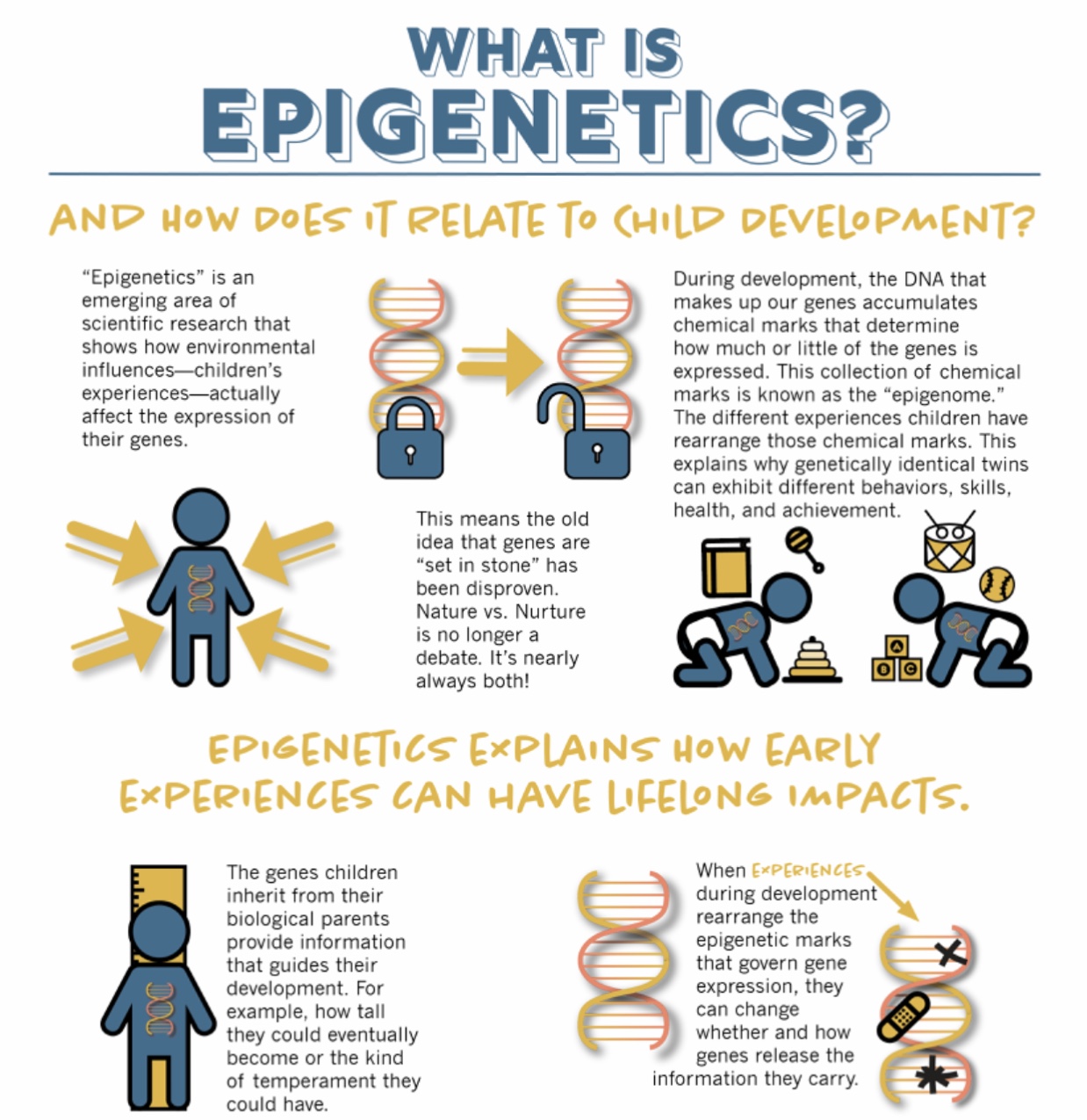


 1.2 HPA illustration
 Vibrating-the-Alta-Major [2020]
 3.1 EM and Torsion Field illustration
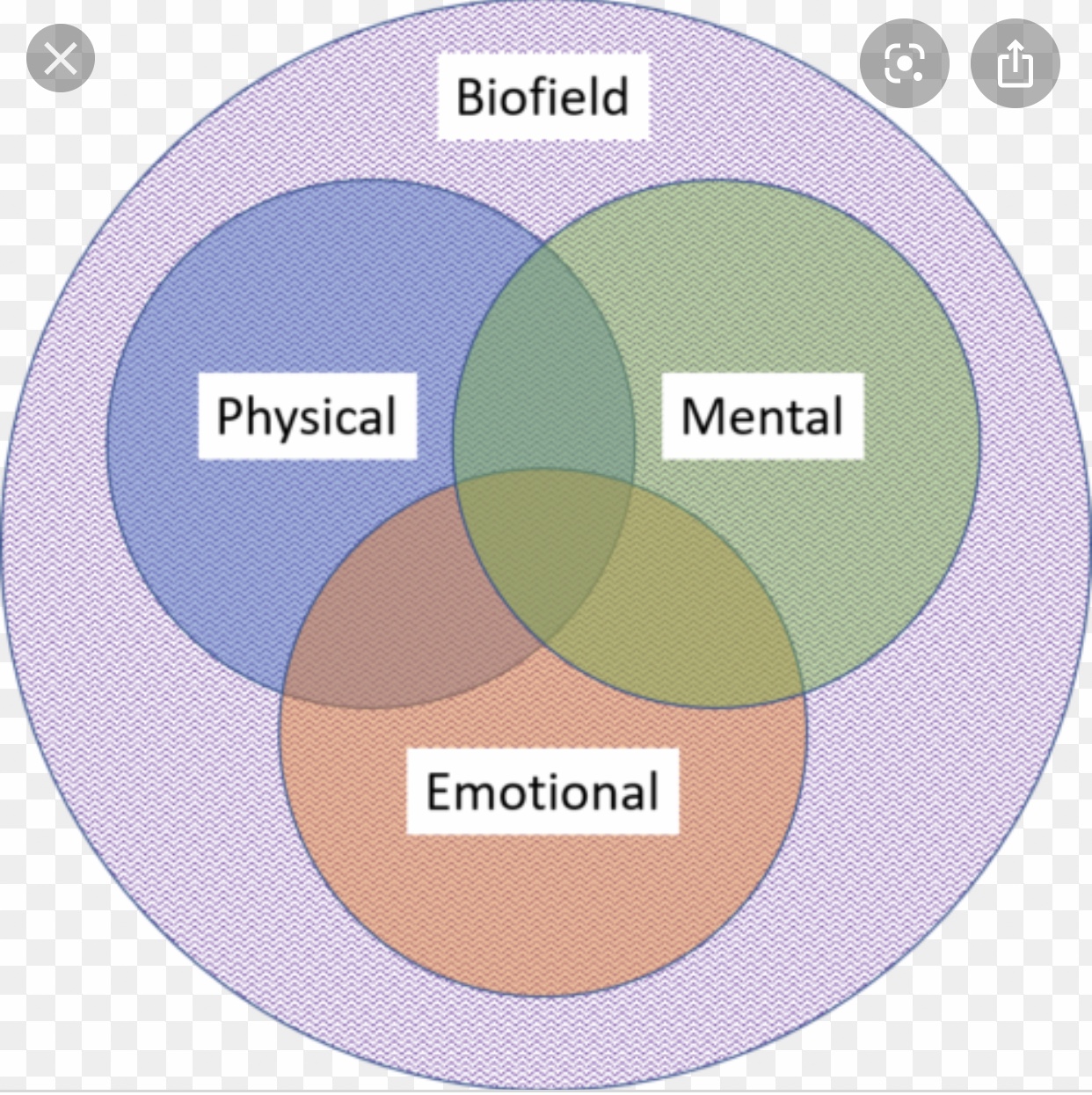 3.2 Biofield illustration


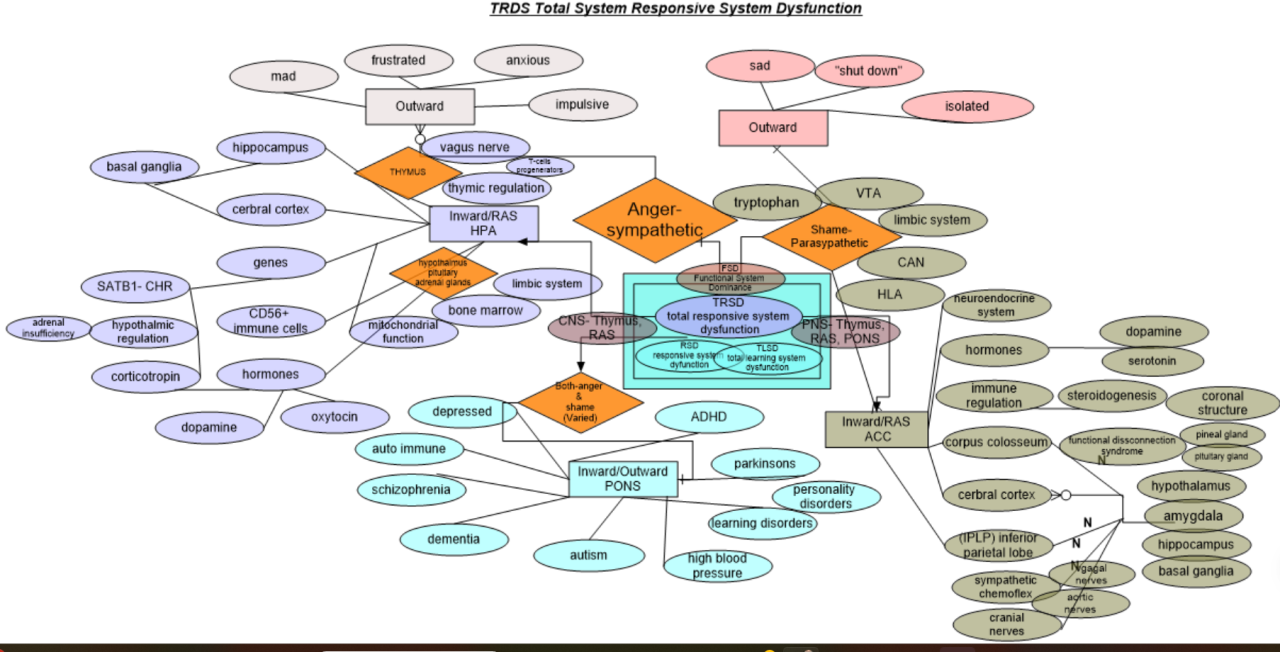



 6Mohannad Yousef and 5 others